Switching from a bath to a shower is often a logical choice if you want to use less water. In most households, a shower clearly uses less water than a full bath, especially if you don’t shower for too long. This way, you not only save water, but usually also energy used to heat the water.
So, anyone who wants to replace their bathtub with a shower is not only choosing convenience and accessibility, but often also a more energy-efficient way to use the bathroom.
Why a Shower Is Usually More Energy-Efficient Than a Bath
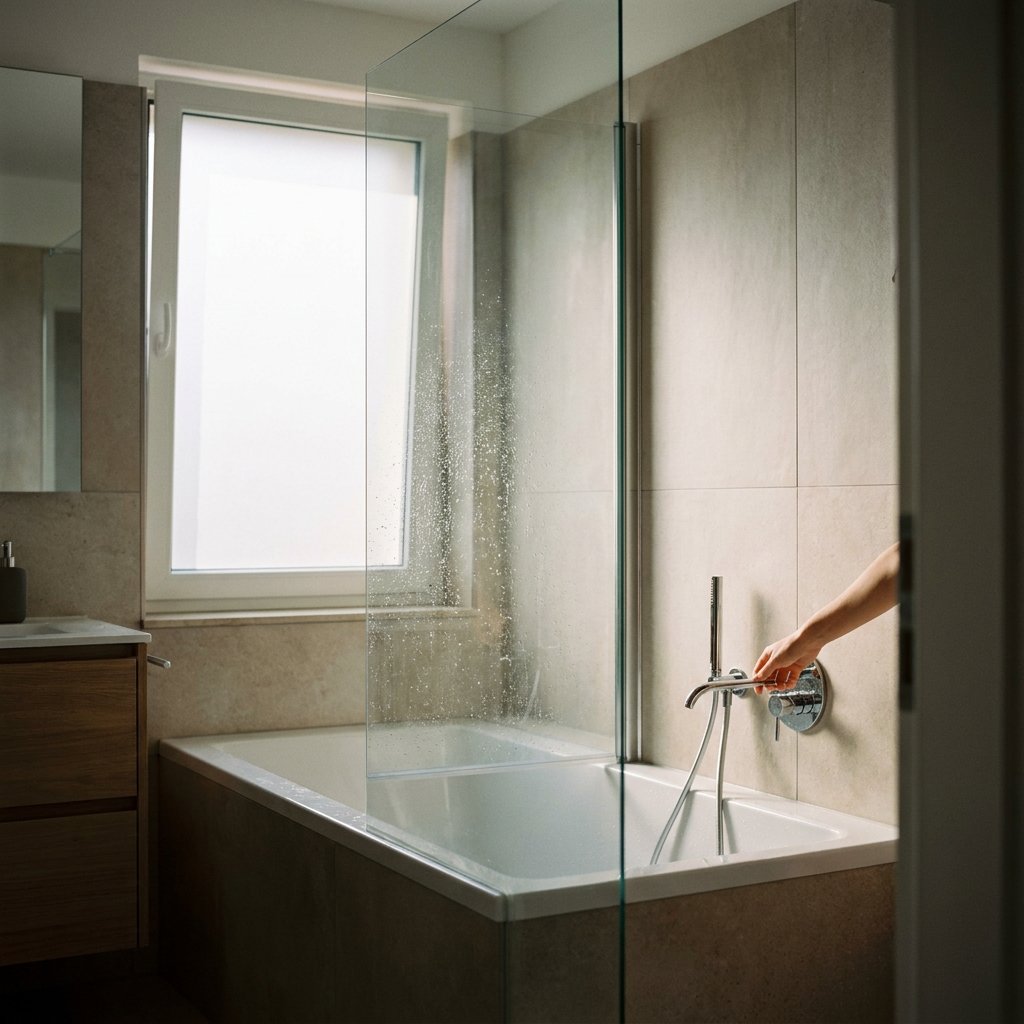
A bath requires a large amount of hot water all at once. With a shower, water consumption increases by the minute, so the total savings depend mainly on how long you shower. That’s precisely why switching from a bath to a shower is often a good idea in practice: a typical shower usually uses less water than a full bath.
As a general rule, an average bath can easily use around 120 liters of water or more. A shorter shower typically uses less than that. The larger the tub and the fuller you fill it, the greater the difference becomes.
| Time of Use | Typical consumption | Note |
|---|---|---|
| Bath | Often around 120 liters or more | Need the entire volume at once |
| Quick shower | Usually lower than a bathtub | Depending on shower time and water flow |
| Long shower | It could go toward bath usage or exceed it | Especially when spending a lot of time under hot water |
Which uses more water, a shower or a bath?
In most situations, a bath uses more water than a shower. That usually makes showering the more water-efficient choice. However, a shower isn't automatically always better: taking a very long shower can reduce that benefit or even eliminate it entirely.
So the fair comparison isn’t just a bath versus a shower, but a bath versus shower duration. A short to normal shower is usually more energy-efficient than a bath. A long shower with a lot of hot water comes closer to the water usage of a bath. Read the 7 reasons not to take a bath for additional context on water and energy consumption.
When do you actually save money by switching from a bathtub to a shower?
The greatest water savings are achieved when a bath that was used regularly is replaced with a shower that is used briefly and efficiently. Consider, for example, households where people take a bath several times a week. In such cases, the switch can make a noticeable difference in water consumption and in the amount of hot water required.
The savings are often most evident in these situations:
- You take baths regularly and usually shower afterward
- Don't take unnecessarily long showers after the renovation
- You choose a quick daily routine instead of long, relaxing moments in the bath
- Multiple family members use the bathroom, which causes the difference to accumulate more quickly
If you hardly ever use the bathtub anymore and have been taking showers for a long time, the benefits lie less in water conservation and more in comfort, accessibility, or a more modern bathroom layout.
From a bathtub to a walk-in shower: a practical benefit in addition to water savings
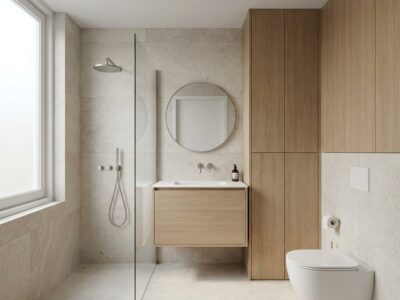
Replacing a bathtub with a walk-in shower can offer more than just lower water consumption per use. Many people also choose it for more walking space, easier access, and a bathroom that’s simpler to use on a daily basis.
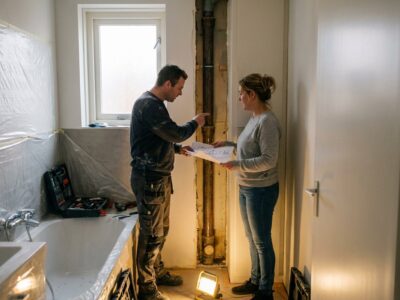
At Refresh Bathrooms, the dimensions and layout of the transition from bathtub to walk-in shower are key considerations in this renovation solution. This also involves taking a broader view of the bathroom, such as when you need to adjust plumbing and drainage when converting from a bathtub to a shower. By installing wall panels over existing tiles, the project minimizes demolition and breaking work, which aligns with a quick and tidy renovation approach.
Who would find this switch particularly appealing?
Switching from a bathtub to a shower to save water is especially relevant if your bathroom is still set up for a bathtub that you mainly use out of habit. In that case, a shower may better suit how you actually want to use the space.
- Homeowners who want to make an outdated bathroom more practical and modern
- Residents who want to get in and out more easily than with a traditional bathtub
- Households that want to use hot water more wisely
- Owners of homes or lodging facilities who want to use their bathrooms more efficiently
What should you keep in mind when replacing your bathtub with a shower?
If you're considering this step, it's a good idea to look beyond just the idea of saving water. The practical implementation will help determine whether the new bathroom works well in everyday use.
- Room layout – would a shower or a walk-in shower be a better fit for the available space?
- Piping and drainage —sometimes adjustments are needed to ensure proper operation
- Comfort in everyday use —think ease of entry and maintenance
- Scope of the renovation —will you just switch from a bathtub to a shower, or go for a complete overhaul right away?
Precisely because the technical situation varies from home to home, personalized advice is often the best first step.
FAQ
Can you save water by taking a shower?
Yes, usually. In many cases, a shower uses less water than a bath, especially if you keep your shower time short. As a result, showering is often the more economical choice for daily use.
Which is more energy-efficient, a bath or a shower?
A shower is usually the most water-efficient option. A bath requires a large amount of water right away, whereas shower water usage depends on the number of minutes. If you take shorter showers, your water usage will generally be lower than when taking a bath.
Is replacing a bathtub with a walk-in shower also a good idea if water conservation isn't the only reason?
Yes. Many people also choose this conversion for greater comfort, a more modern look, and easier use of the bathroom. Water savings are an added benefit in addition to the functional improvements.
Can I get some advice on converting a bathtub to a shower in my home?
Yes, Refresh Bathrooms offers a free consultation at your home or on-site. During the consultation, you can discuss the options, layout, and a price estimate, including the cost of replacing a bathtub with a shower.