The bathroom is one of the rooms in the house where slips and trips are most likely to occur. With the right modifications, you can make showering and getting in and out of the shower safer, more comfortable, and easier to navigate. If you want to take fall prevention in the bathroom seriously, the greatest improvements usually come from reducing thresholds, increasing traction, and creating a logical layout.
At Refresh Bathrooms, the focus is on bathroom renovations with minimal demolition and as little disruption as possible. Replacing a bathtub or shower pan with a barrier-free or low-threshold walk-in shower is often a practical step toward a safer bathroom. For those who want to learn more about this, “Replacing a Bathtub with a Shower (Safe for Seniors)” is a relevant topic.
Where is the greatest risk of falling in the bathroom?
The risk of falling in the bathroom often arises at exactly the same moments: when stepping into a bathtub or shower, on a wet floor, when turning around in a small space, or when there isn’t enough to hold onto. It is precisely this combination of water, slippery surfaces, and changes in elevation that makes this space hazardous.
Typical points to consider are:
- a high step into a bathtub or shower stall
- a slippery floor when wet
- insufficient assistance when getting in and out
- a cramped layout that makes it difficult to move around
Effective fall prevention in the bathroom is therefore not about individual details, but about reducing these core risks.
Changes That Make the Biggest Difference
Removing curbs and high thresholds
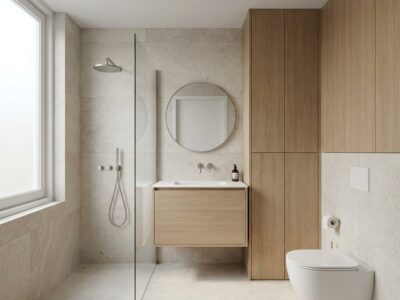
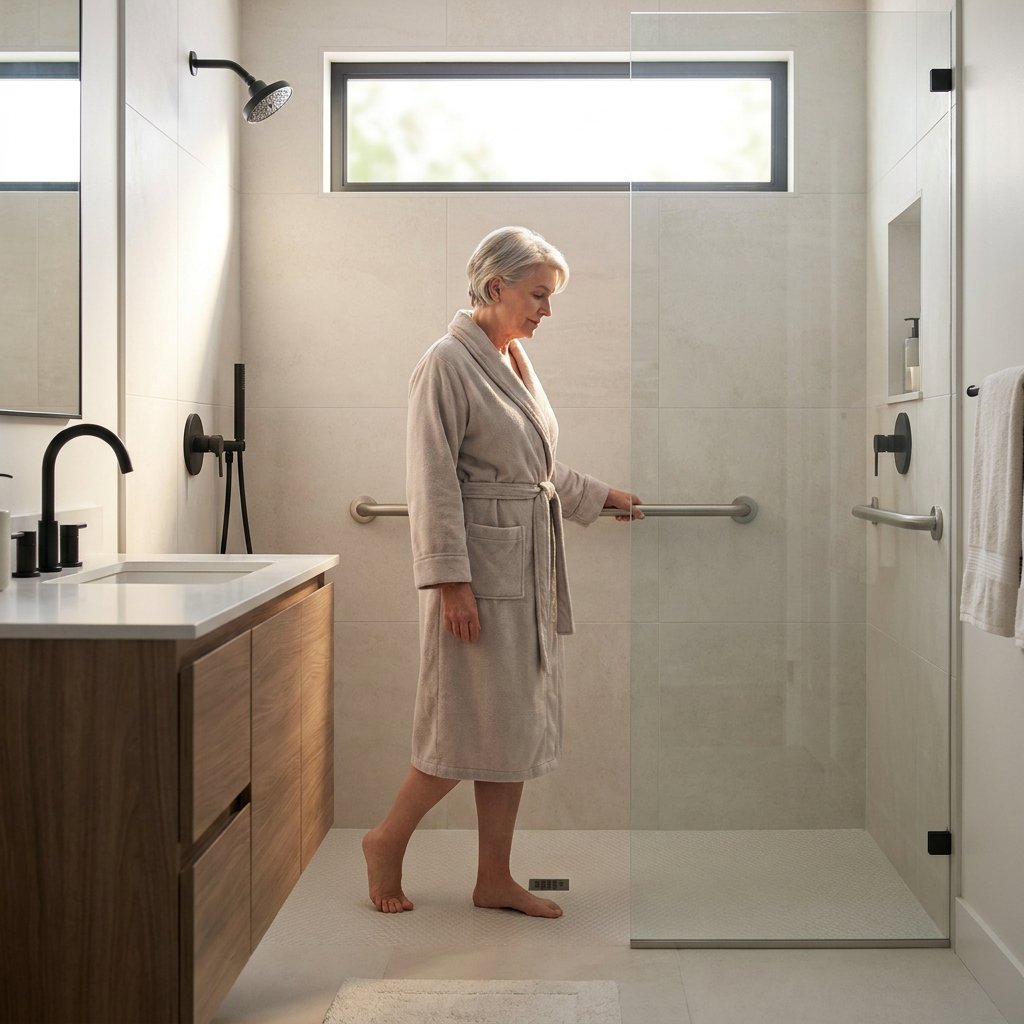
One of the most effective improvements is replacing a bathtub or shower pan with a walk-in shower. A threshold-free or low-threshold entry reduces the risk of tripping and makes moving in and out much more natural. Especially when showering daily becomes more difficult, this often immediately boosts confidence.
Choosing a Non-Slip Floor
A non-slip floor helps prevent slipping when your feet are wet. This is especially important in the shower area, where water and soap residue can make the floor extra slippery. You can find specific advice in the blog post “Non-Slip Walk-In Shower,” which explains how to create a safer and more stable shower surface.
Provide additional support where needed
If you want more stability while showering, you can opt for additional support, such as a grab bar. In some situations, a bench is also a practical addition. These features can make the difference between having to maneuver carefully and being able to use the shower in a relaxed and stable manner.
Why a walk-in shower is often key to fall prevention
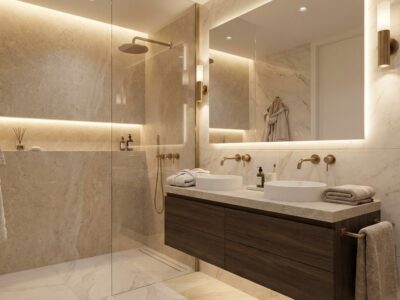
Many bathroom accidents occur around the shower entrance. That’s why a walk-in shower is often the most logical solution when safety is a priority. It’s easier to get in and out, there are fewer obstacles underfoot, and you benefit from a more spacious, easily accessible shower area. For more information, see “Walk-in Shower: Safe for Seniors.”
At Refresh Bathrooms, we adapt an existing bathroom layout to the available space. This may involve replacing an old bathtub or shower pan with a walk-in shower that’s better suited for safe and comfortable daily use. Depending on the situation, this type of conversion can often be completed quickly, with minimal demolition and little disruption to your home. If you’re ready to take this step, you can opt for a custom walk-in shower.
Who is this primarily relevant for?
Fall prevention in the bathroom isn’t just important once falling has already become a problem. In fact, it’s especially wise to look into safer solutions early on—especially when your mobility becomes a bit less steady, stepping into the shower feels more difficult, or showering becomes less relaxing. This way, you can prevent the bathroom from becoming a space you’d rather avoid.
It is particularly useful for people who:
- find it more difficult to get in and out of the car
- want more traction and stability while showering
- want to make their bathroom safer without a lengthy renovation
- want to maintain comfort and independence for as long as possible
What should you look for when choosing a safe bathroom solution?
The best solution isn’t necessarily the most comprehensive one, but rather the adjustment that fits your daily routine and the space you already have. So be sure to focus on three questions: Where is the greatest risk right now? Which movement feels unsafe? And which adjustment demonstrably makes that moment easier?
A well-thought-out bathroom solution is usually uncluttered: fewer obstacles, better traction, and a shower that’s easy to access. This not only improves safety but often enhances everyday comfort as well. For more inspiration and practical tips, you’ll find additional examples in “Safe Showering for Seniors.”
FAQ
Can a senior take a shower in one day using a walk-in shower?
In many cases, this is possible, depending on the existing bathroom and the chosen renovation. Refresh Bathrooms notes that replacing a bathtub or shower pan with a walk-in shower can often be done in just one day.
Can I make modifications to my bathroom under the Wmo?
That varies by municipality and by individual circumstances. If you have questions about potential Wmo reimbursement or assistance, it’s a good idea to contact your municipality, since eligibility is assessed on a local basis.
Which fall prevention measures are covered?
Reimbursements depend on the type of modification and your situation. Since this can vary by municipality, program, or application, it’s a good idea to check in advance what support is available for your bathroom modification. For people with balance issues, information on living safely with a balance disorder may also be helpful.