Showering in the bathtub may seem like a practical solution if you have limited space or want to keep both a bathtub and a shower. In practice, however, this combination also has clear drawbacks, especially in terms of safety, comfort, and daily use. Especially if your bathroom needs to be primarily functional and easily accessible, it’s wise to carefully weigh those drawbacks.
Below, you can read about the most common concerns and when a walk-in shower is a more logical alternative.
The biggest drawbacks of showering in the bathtub
1. The high bathtub rim makes getting in and out more difficult
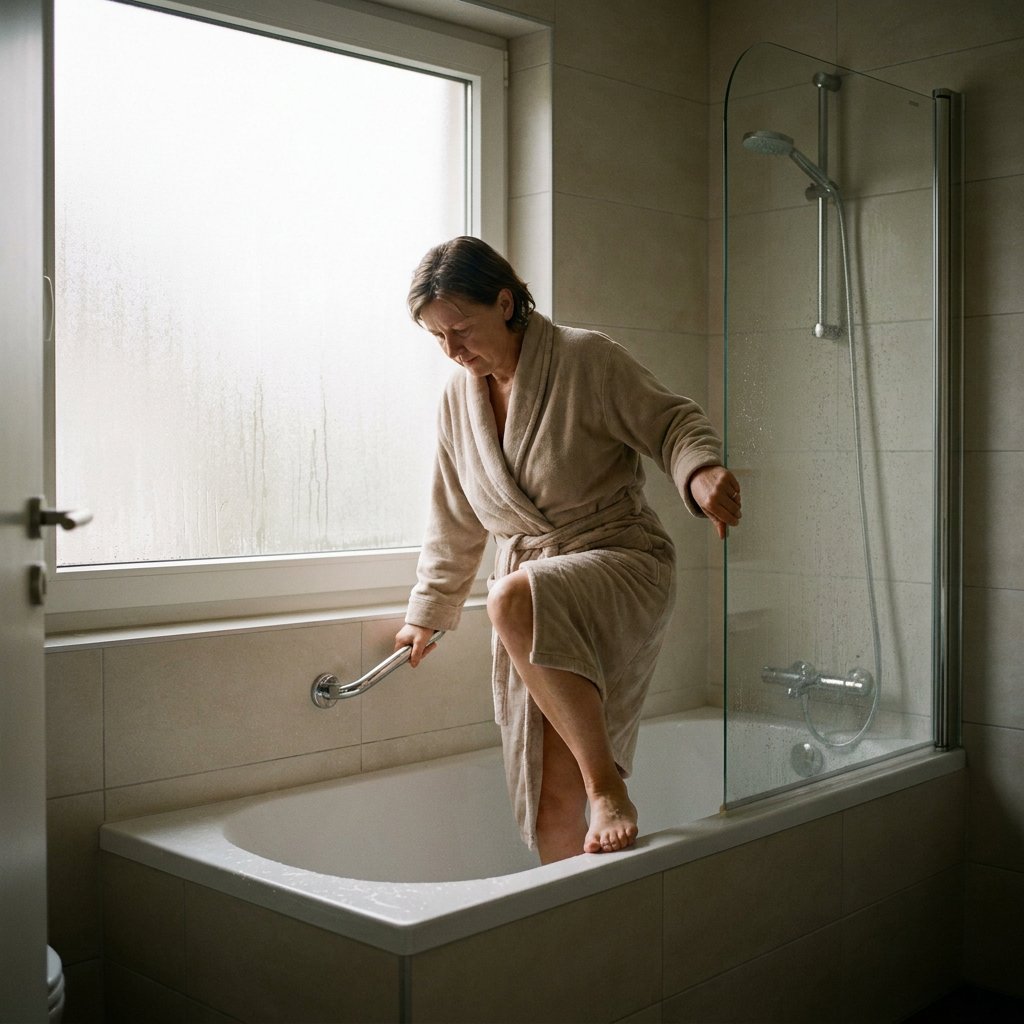
The most common drawback of showering in the bathtub is the high step. You first have to step over the edge of the tub and then stand on a wet surface. The same thing happens when you step out, but with less traction and often a slippery floor outside the tub.
For young and fit users, this doesn't necessarily have to be a problem. But for older adults, people with balance issues, or anyone who wants a little extra convenience, this is often a clear drawback.
2. Increased risk of slipping
A bathtub is usually less stable to stand in than a regular shower floor. The bottom can become slippery due to water, shampoo, and soap residue. In addition, the shape of a bathtub is often less level than that of a shower, making it harder to stand firmly.
It is precisely that combination of slippery surfaces, limited space, and the edge of the tub that increases the risk of a slip.
3. Less comfortable while showering
Showering in the bathtub often feels less spacious than showering in a separate shower stall or walk-in shower. You’re in a narrower space, have to work around the curve of the tub, and have less freedom of movement. You notice this especially during daily routines like washing your hair, bending over, or helping your children.
So, what seems like a convenient combination on paper may not be as pleasant to use as expected.
4. Splash water and a wet bathroom floor
When taking a shower in the tub, you usually need a shower curtain or shower screen to keep the water inside. However, in many bathrooms, water still splashes onto the floor, especially if the screen doesn’t fit properly or is too small.
A wet floor not only creates extra cleaning work, but also increases the risk of slipping when getting out of the car.
5. Less suitable if you want your bathroom to be future-proof
A bathtub with a shower function may work just fine for now, but it may not be the most practical choice for the future. As accessibility, convenience, and safe daily use become more important, showering in the bathtub often becomes a limitation rather than an advantage.
Anyone who wants to plan ahead should therefore consider not only the available space, but also how comfortable and safe the bathroom will still be in a few years. For those seeking extra safety and accessibility, safer showering for seniors is a good place to start.
When are these drawbacks truly decisive?
The disadvantages of showering in the bathtub are particularly significant in these situations:
- You hardly ever use the tub to actually take a bath
- You want to be able to get in and out more easily and safely
- You already find the bathtub cramped or awkward
- You want to make the bathroom more practical for the future
- You'd prefer a solution that's more comfortable on a daily basis
If you mostly take showers and rarely take baths, it makes sense to ask yourself whether a bathtub is still the best layout for your bathroom. Also, look into the costs of converting a bathtub to a shower to determine your budget and expectations.
When is a walk-in shower often a better option?
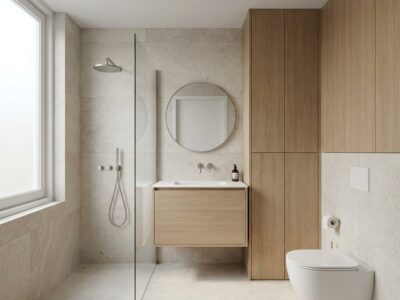
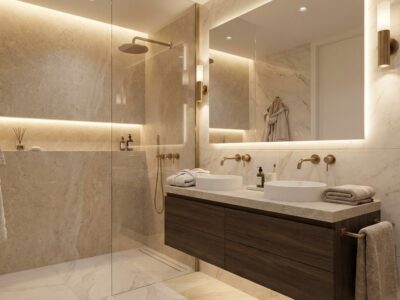
For many households, a walk-in shower is the more practical choice when the drawbacks of showering in a bathtub become too great. There’s no high step to climb, you have more walking space, and the shower area is generally safer and more comfortable for everyday use.
Especially if your current bathtub is mostly in the way or no longer feels comfortable, replacing it with a shower can be a logical next step. Refresh Bathrooms also offers this solution as part of a bathroom renovation or as a conversion from a bathtub to a walk-in shower.
Not sure about the dimensions and layout? Check out the dimensions and layout of a bathtub-to-walk-in-shower conversion for practical guidelines.
Want to get it done quickly and with minimal disruption? Then read “From Bathtub to Shower in 1 Day: Here’s How It Works.”
Is demolition a concern? If so, choose to replace your bathtub with a shower without any demolition.
Is taking a shower in the bathtub always a bad idea?
No, not always. In a small bathroom, a bath-and-shower combination can still be a deliberate choice, especially if you really do take baths regularly. But if you mainly want to shower quickly, safely, and comfortably, you’ll often find that a separate shower solution is better suited to everyday use.
So it's not just about what fits in the space, but above all about what works best in practice.
FAQ
Which is better, a shower or a bath?
That depends on how you use the bathroom. If you mainly want to take a shower every day, a shower is usually more practical, safer, and more comfortable. A bathtub is especially worth considering if relaxation and soaking in the tub are really important to you.
Is it safe to shower while sitting in a bathtub?
Showering while seated in a bathtub may seem more comfortable for some people, but getting in and out remains a concern. Even then, a slippery floor and limited space can cause discomfort or pose a risk.
What are the drawbacks of having a bathtub if you mainly want to take showers?
The main drawbacks are the high tub rim, a greater risk of slipping, less comfort when standing, and a higher chance of water spilling outside the tub. For daily showering, a bathtub is therefore often less practical than a walk-in shower.
When is it a good idea to replace a bathtub with a walk-in shower?
This is often a wise choice if you rarely use the bathtub, want to shower more safely, or are looking for greater comfort in your daily routine. A safer shower solution for seniors is also often a logical choice if you need to make your bathroom more accessible.