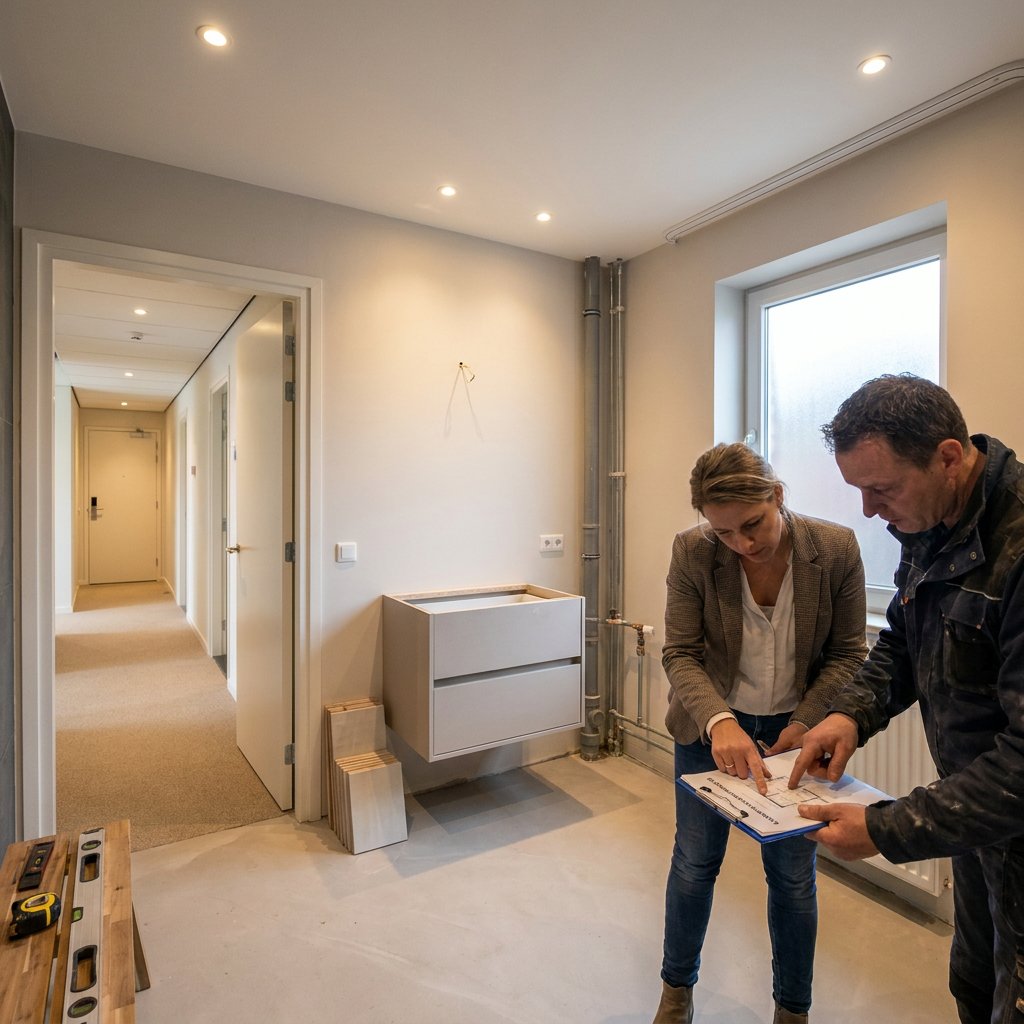
Hotel Bathroom Renovation Schedule by Room
You don’t renovate a hotel bathroom just to give it a fresher look. The planning also determines how many rooms will be taken out of service, how much disruption guests will experience, and how quickly the investment will pay off. That’s why effective hotel bathroom renovation planning starts with hotel operations: occupancy rates, housekeeping, technical condition, and available work windows. Planning by room or by room block allows you to maintain control over turnaround time, budget, and quality.
What a Good Renovation Plan Starts With
Before selecting materials, you need to be clear about what type of renovation is required. Is a simple refresh sufficient, or are there also issues with drainage, ventilation, waterproofing, or outdated plumbing? At the same time, identify the differences between room types. Less variation means faster completion, simpler procurement, and more predictable maintenance. Involve front desk, housekeeping, and technical services in this phase so that everyone knows in advance which rooms will be taken out of service and when. You can find inspiration and guidance for similar projects under “Commercial Bathroom and Restroom Renovations.”
The Smartest Order for Each Room
Assessment and Prioritization
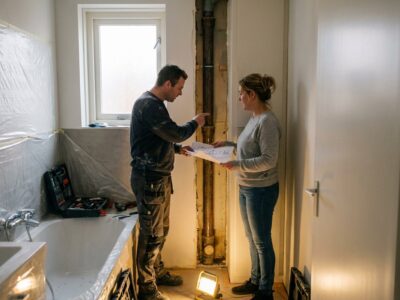
For each bathroom, inspect the shower area, sink, toilet, ventilation, electrical system, and drainage. Then group the rooms based on their technical condition and layout so you know which ones to tackle first.
Test Chamber and Material Selection
Start by designing one model bathroom. This will allow you to test the walking space, ease of cleaning, and finish. Preferably, choose durable, water-resistant materials that can withstand heavy use and require little maintenance.
Technical Preparation
Check the dimensions, connection points, slope, ventilation, and electrical systems in wet areas in advance. Also plan for storage, supply, waste disposal, and work schedules so that construction does not interfere with daily hotel operations.
Implementation in Phases
Plan by room, wing, or floor, depending on the floor plan. This keeps disruptions localized and allows the team to work at a steady pace. Renovations typically proceed more quickly without major layout changes.
Delivery and Release
Check each bathroom immediately for water tightness, caulking, ventilation, and proper functioning of the plumbing fixtures. Only then should the room be put back on the market. This prevents the need for repairs after a new booking.
How to Keep Rooms Available During the Renovation
Effective planning for a bathroom renovation—without unnecessary downtime—revolves around smart phasing. Schedule noisy work for quiet periods and allow a small buffer for unexpected technical setbacks. Maintain a daily overview of rooms currently under construction, completed, and ready for resale. The approach used in the healthcare sector offers valuable insights into phased work with minimal disruption: see “Phasing in Bathroom Renovations at Healthcare Facilities.” Additionally, limit the paths that contractors take through public areas and, whenever possible, opt for renovation methods that involve minimal demolition. Don’t forget the public hotel restrooms either; you’ll find quick planning and execution guidelines for these in “Restroom Renovation for the Hospitality Industry.” Less demolition means less dust, less noise, and shorter downtime per room.
How many days does a hotel bathroom renovation take?
The question of how long a bathroom renovation takes depends mainly on the method used and the bathroom’s current condition. A traditional renovation involving extensive demolition, drying time, and multiple trades often takes significantly longer. With proper preparation, systematic execution, and systems that require minimal demolition, a complete bathroom renovation can often be completed in 1 to 3 days. For the total project duration, however, you’ll need to factor in additional time for the prototype bathroom, procurement, any custom-made components, and internal logistics.
Managing Costs and Budgets Wisely
The budget is usually determined by the technical condition, material quality, standardization, and desired speed. If each room is designed differently, the costs for preparation and installation will be higher. Relocating pipes or modifying the layout also increases costs. Therefore, don’t just look at the purchase price—also consider cleaning time, maintenance, and lifespan. Would you like to see real-world examples? Check out Our Projects. Sustainable wall and floor systems and high-quality plumbing fixtures are often more cost-effective over their entire lifespan.
Common Planning Mistakes
The biggest mistake is starting without a clear scope. Then it only becomes apparent during construction that the drainage, ventilation, or subfloor are not up to standard. A second mistake is not standardizing enough, which turns each room block into a separate project. An overly tight schedule without a buffer also causes friction between construction, reception, and housekeeping. Finally, ease of maintenance is still too often overlooked, even though it has a significant impact on operating costs.
Frequently Asked Questions About Planning a Hotel Bathroom Renovation
In what order should I renovate a hotel bathroom?
Start by conducting an inspection and setting priorities, then design a pilot room, prepare the technical and logistical aspects, and proceed with the renovation in phases, one room block at a time.
After how many years should a hotel bathroom be replaced?
Often sooner than the rest of the room, as soon as wear and tear, leaks, malfunctions, or a dated appearance visibly affect the guest experience.
Is it better to renovate one room at a time rather than one floor at a time?
Usually, yes, because that gives you more control over occupancy and disturbances. Working floor by floor can be more efficient, but it requires more simultaneous downtime.
When is it realistic to complete a renovation in 1 to 3 days?
Especially if the layout remains largely the same and you opt for quick-installation systems that require minimal demolition, such as panel solutions instead of fully traditional tiling.
What technical checks need to be performed beforehand?
At a minimum, check the drainage, water pressure, watertightness, ventilation, electrical system, and the condition of the subfloor. These factors, in particular, determine whether the schedule remains feasible.
Quickly Renovate Hotel Bathrooms with Minimal Disruption
For hotels looking to modernize quickly, renovation methods that involve minimal demolition are often the smartest choice. Refresh Bathrooms offers turnkey solutions using sustainable materials and affordable, transparent pricing for hotel bathroom renovations. This keeps the schedule organized and minimizes disruption. If you’d like to know what’s feasible for each room in your hotel, you can schedule a consultation.