How to Spot a Leak in the Bathroom
A damp spot or mold in the bathroom doesn’t necessarily indicate where the leak is. Water can travel through walls, floors, or ceilings. Therefore, look for several signs at once: damp spots, a musty odor, mold, loose caulk or grout, tiles that sound hollow, and unexpected water usage. In particular, the timing of when the damage occurs helps distinguish between sealant, drains, pipes, or the bathroom structure itself.
The signs that are often the first to be noticed
- Moisture stains, discoloration, or wet spots on walls, ceilings, or floors are often the first things you notice.
- Mold, peeling caulk seams, and open or crumbling joints are signs that moisture keeps coming back.
- Hollow-sounding or loose tiles and crumbling grout often go hand in hand with leaks.
- A musty odor, a higher water bill, or a water meter that keeps moving is more telling when these occur alongside other signs.
Where the problem usually lies
The cause often lies in weak spots such as caulked seams, grout lines, small cracks in tiles, and connections around the shower pan or bathtub—precisely the areas that are crucial for waterproofing the shower area. Drainage problems are also common, for example, with the shower drain, trap, drain channel, or connections. These issues usually become more noticeable while showering or when water is draining away. If there are issues with the drain channel, renovating or replacing the shower drain channel can provide a solution.
If moisture continues to form even when the bathroom isn’t in use, this is more likely due to a hidden leak in a supply line or connection behind the wall or under the floor. Sometimes the problem runs deeper, such as in an outdated bathroom structure or a failing waterproof layer. To prevent future leaks, you can also opt for waterproof bathroom wall panels. In such cases, simply re-caulking is often not enough, and a bathroom renovation may be necessary.
Check it yourself without any chopping or breaking
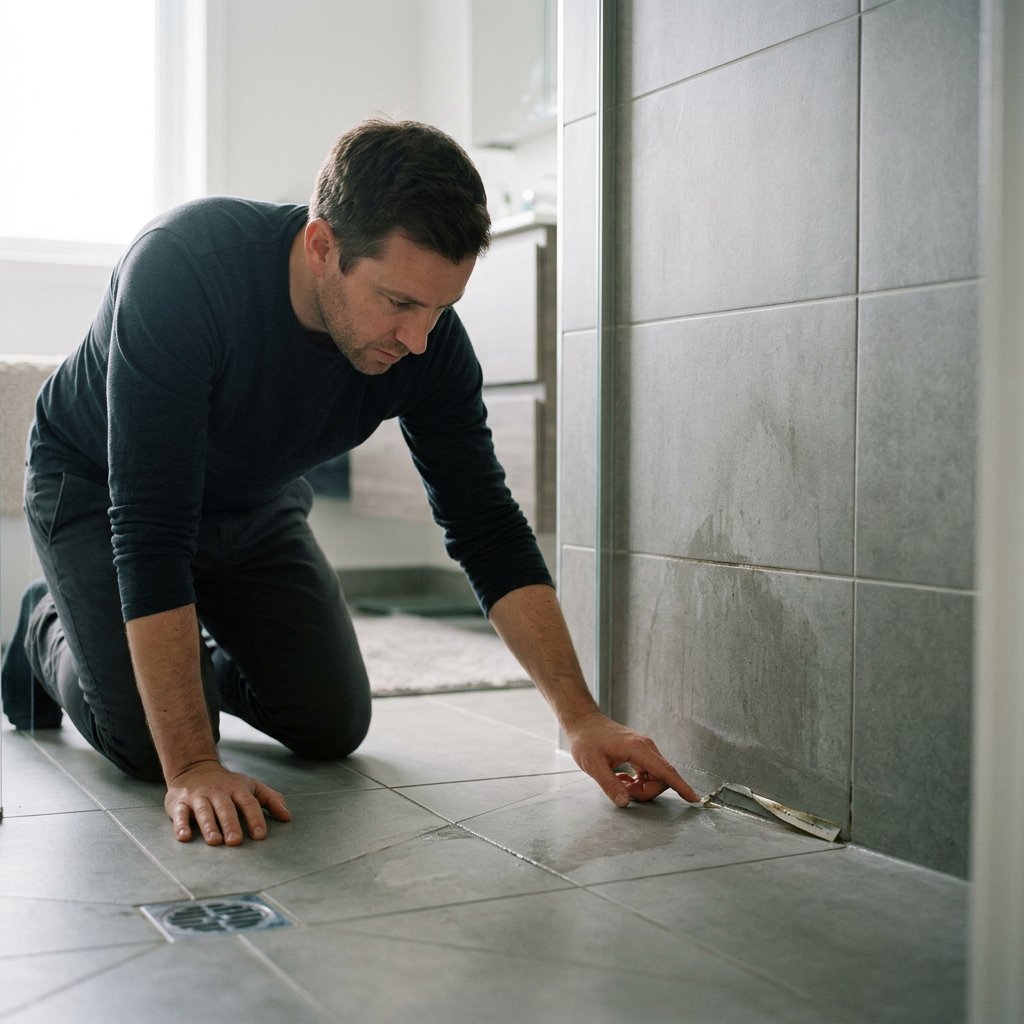
- Carefully inspect sealant joints and grout lines for cracks, open edges, peeling, and areas where water can seep in.
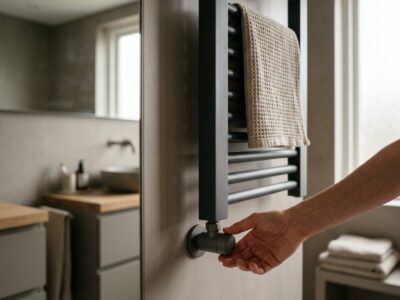
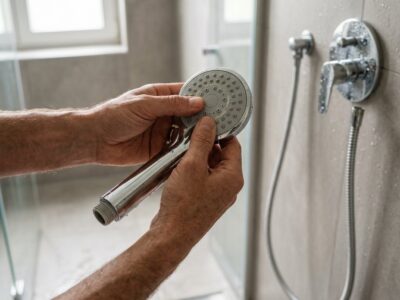
- Visually inspect tiles, rosettes, shower wall connections, and accessible drain outlets—both visually and by hand—for moisture, loose fit, or damage.
- Try a quick test: Does the leak occur only when you're showering or taking a bath, or does it happen even when everything is dry and not in use?
- If you want to locate a leak in the drain, pay attention to the drain, the P-trap, and the connections while the water is running; if the water meter moves when everything is turned off, that’s more likely to indicate a leak in the water line.
What the Leak Pattern Tells You
| Pattern | What it usually means |
|---|---|
| Only while showering or bathing | More frequent caulking, grouting, drainage, or connections around the shower and bathtub |
| Even if the bathroom stays dry | More often a supply line or a leaking coupling |
| Moisture on the ceiling below or in the adjacent wall | The source does not have to be directly above or next to the damage |
A persistent musty odor or recurring mold usually indicates structural moisture, not a one-time splash or condensation spot caused by insufficient ventilation in the bathroom.
What You Can Do Now to Minimize Damage
- Stop using the shower or bathtub immediately if the area quickly becomes wetter, if water is actively dripping, or if the ceiling below it gets wet.
- Take photos and make a note of when the problem occurs; this will help us provide targeted follow-up assistance.
- Do not reseal the joint or caulk it blindly, because visible damage is not always the actual cause.
- If you're experiencing recurring leaks due to worn-out finishes, an old shower area, or structural moisture, a bathroom renovation may be a smarter choice than continuing to make repairs.
Frequently Asked Questions About Bathroom Leaks
After an initial inspection, there are usually three practical questions that remain: What about insurance? Who should you call? And can you still use the shower?
Is a leak in the bathroom covered by insurance?
That usually depends on the cause, your policy, and the distinction between repairing the source of the damage and addressing consequential damage. Document the damage immediately with photos and review your policy terms, or contact your insurer before repairs begin. Wear and tear or neglected maintenance are often assessed differently than a sudden leak.
Who do you call if there's a leak in the bathroom?
In the event of an acute leak in a pipe or drain, you’ll usually call a plumber or leak detection specialist. If you’re renting the property, be sure to report it to your landlord; for common areas, this is often handled by the homeowners’ association. A renovation specialist like Refresh Bathrooms is especially a good choice if the cause is related to worn-out finishes or an outdated shower area.
Can you still use the shower if you suspect a leak?
A quick test can help you identify the pattern, but it’s best to stop using the shower until the cause is determined. If the area gets wet immediately when you shower, if you see a wet ceiling below it, if materials are coming loose, if mold is forming, or if the leak is near electrical wiring, do not use the shower and schedule a consultation for your bathroom first.