Bathroom ventilation
Good ventilation in the bathroom is essential for quickly removing moisture and minimizing mold, musty odors, and condensation. This is especially important during a bathroom renovation, as it allows for a thorough assessment of the existing exhaust system, air supply, and electrical wiring right away. This way, you’ll not only get a beautiful new bathroom but also a space that remains pleasant and healthy to use.
Why Good Bathroom Ventilation Is So Important
A lot of moisture builds up in the bathroom in a short amount of time from showering and bathing. If that warm, humid air isn’t vented quickly enough, it condenses on mirrors, the ceiling, grout lines, caulk edges, and furniture. This not only causes condensation but, over time, also leads to mold growth, damage to finishes, and a less fresh-smelling space.
Good ventilation in the bathroom helps remove moisture from the room more quickly. This reduces the risk of persistent moisture problems and keeps the bathroom more comfortable for everyday use. Effective ventilation is especially important in bathrooms without windows or with limited natural airflow.
Signs That the Ventilation in Your Bathroom Is Inadequate
Are you unsure whether your current bathroom ventilation is working properly? These are common signs that moisture is not being adequately removed:
- Condensation that lingers on mirrors, windows, or tiles
- Mold on sealant edges, ceilings, grout lines, or corners
- A musty odor that lingers in the bathroom
- Water stains or peeling paint and stucco
- A stuffy room after showering that slowly dries out
If you regularly notice one or more of these signs, it’s a good idea to include the existing ventilation and air supply in your renovation plans.
What is the best ventilation for a bathroom?
The best solution depends on the layout of the room and the existing conditions in the home. In many homes, the bathroom is connected to a mechanical ventilation system. In other cases, there is a separate bathroom fan or a combination of exhaust and natural airflow through a vent or window.
It is important not only that moisture is removed, but also that sufficient air can be supplied. Without a supply of air, even a good exhaust system can be less effective. That is why, when renovating a bathroom, it is best to consider the big picture: the existing exhaust system, air supply, and electrical systems.
Mechanical ventilation
In many Dutch homes, mechanical ventilation is the most logical solution for bathroom exhaust. With this system, moist air is actively removed via a central system or exhaust vent. This is particularly suitable when ventilation ducts are already in place.
Bathroom Fan
A bathroom fan is often a good choice when the bathroom has its own exhaust vent or when additional ventilation is needed. This is a common solution, especially in smaller bathrooms or in rooms without a window that opens properly.
Natural supply
A window or ventilation grille can help bring in fresh air, but is usually not enough on its own. For a bathroom where people shower daily, active ventilation is usually necessary to remove moisture quickly.
Where should you install ventilation in the bathroom?
The location of the exhaust vent has a significant impact on the results. In general, ventilation works best in a spot where warm, humid air accumulates—often high in the room or in the ceiling. At the same time, the exhaust vent should be positioned logically in relation to the shower or bathtub so that moisture is effectively removed from that area.
Proper placement prevents air from lingering unnecessarily in the room. It is also important that air can flow freely and that ventilation is not hindered by an unfavorable layout or a lack of air supply. That is why placement is not just a minor detail, but an important part of a good renovation plan.
Practical Considerations for a Bathroom Renovation
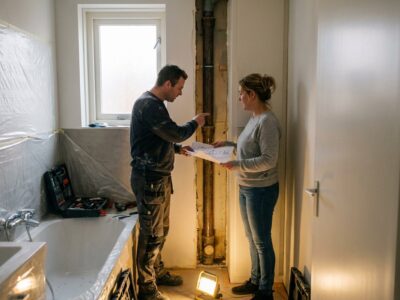
When renovating, ventilation isn’t something you want to assess only after the fact. That’s precisely when it’s wise to check whether the existing setup still works with the renovated bathroom. Consider, for example, the position of the shower, the layout of the space, and the condition of the current exhaust system.
Refresh Bathrooms includes ventilation as part of the bathroom renovation. This allows for an assessment of existing exhaust fans, air supply, and electrical systems during the preparation of the renovation plan. This is practical because bathroom ventilation is directly linked to other elements such as lighting, ceiling finishes, and the overall layout. Want to make sure you don’t overlook anything? Then use the Bathroom Renovation Checklist. And start planning your bathroom renovation early, so that ventilation capacity and installation are factored in right from the start.
How to Use Bathroom Ventilation Most Effectively
Even a good system only works optimally if it's used correctly. A few simple habits can often make a big difference:
- Turn on the exhaust fan in time when you're showering or taking a bath
- Let the ventilation run for a while after use so that any residual moisture can dissipate
- Keep the air supply unobstructed through a vent, opening, or other air inlet
- Do not leave wet laundry in the bathroom if the room is already damp
- Wipe away as much water as possible from the walls and glass to shorten the drying time
These tips won't solve a structural ventilation problem, but they will help keep the bathroom dry and fresh more quickly. You can find more tips on this topic in " Keeping Your Bathroom Clean and Fresh."
When Ventilation Deserves Extra Attention
Some bathrooms are more prone to moisture problems than others. It’s wise to pay extra attention to bathrooms without windows, small enclosed spaces, areas subject to heavy daily use, or those with recurring mold on caulk and the ceiling. Also, if condensation lingers for a long time despite normal use, this may indicate insufficient ventilation or limited airflow.
In such cases, it’s wise not to view ventilation as an afterthought, but as an integral part of the renovation. This will prevent a renovated bathroom from looking beautiful on the surface but still suffering from moisture issues in practice. When choosing materials, a grout-free bathroom can also be an attractive option, as it’s often easier to keep clean in damp areas. Is the bathroom in the attic? Then read “Renovating an Attic Bathroom: Tips.”
FAQ
What's the best way to ventilate the bathroom?
The best approach is a combination of active ventilation and an adequate supply of fresh air. During and after showering, moisture must be able to be removed quickly, while at the same time allowing air to enter the room.
What is the best ventilation for a bathroom?
That depends on the home and the existing system. In many cases, mechanical ventilation is the most suitable option, sometimes supplemented by a bathroom fan. The best choice depends on the room, the existing exhaust system, and the options for air intake.
Where should you install ventilation in the bathroom?
In most cases, an exhaust vent works best when installed high in the room or in the ceiling, in a logical location relative to the shower or bathtub. This allows warm, humid air to be removed more quickly, especially in a bathroom with, for example, a walk-in shower.
Is ventilation in the bathroom required?
Bathrooms are subject to requirements regarding ventilation and air exhaust, but exactly what is needed depends on the home and its structural conditions. When renovating, it is therefore wise to have the existing situation thoroughly assessed.