Solving the Problem of a Cold Bathroom
A cold bathroom is usually not just a problem with the heating. Often, it’s a combination of insufficient heat, cold walls or floors, and humid air that lingers after a shower. As a result, the room not only feels chilly, but condensation, musty air, and mold are also more likely to return.
The key to the solution is simple: make sure the bathroom heats up faster, ventilate effectively after use, and prevent moisture from recurring on the walls, ceiling, grout lines, and caulk edges. If you often see fogged-up mirrors, water droplets on the window, or black mold in the caulk, there’s more at stake than just comfort. In that case, it’s wise to address the root cause through a bathroom renovation.
Where the cold in your bathroom usually comes from
| Situation or signal | What's Often Behind It | What that means |
|---|---|---|
| The bathroom feels especially cold before taking a shower | The room is heating up too slowly, or the heat source has limited adjustability | The comfort issue begins even before use |
| Mirrors fog up quickly; droplets on the window or ceiling | Warm, moist air condenses on cold surfaces | Temperature and humidity are out of balance |
| A musty smell or black caulk reappears quickly | Moisture lingers too long due to cold walls and insufficient ventilation | Not only is it cold, but there’s also an increased risk of mold |
| Only briefly cold after use | Temporary cooling through ventilation or wet surfaces | This is usually different from a bathroom, which tends to stay cold, especially in the winter |
Which heating system is right for your bathroom?
| Option | Warm-up time | Goes especially well with |
|---|---|---|
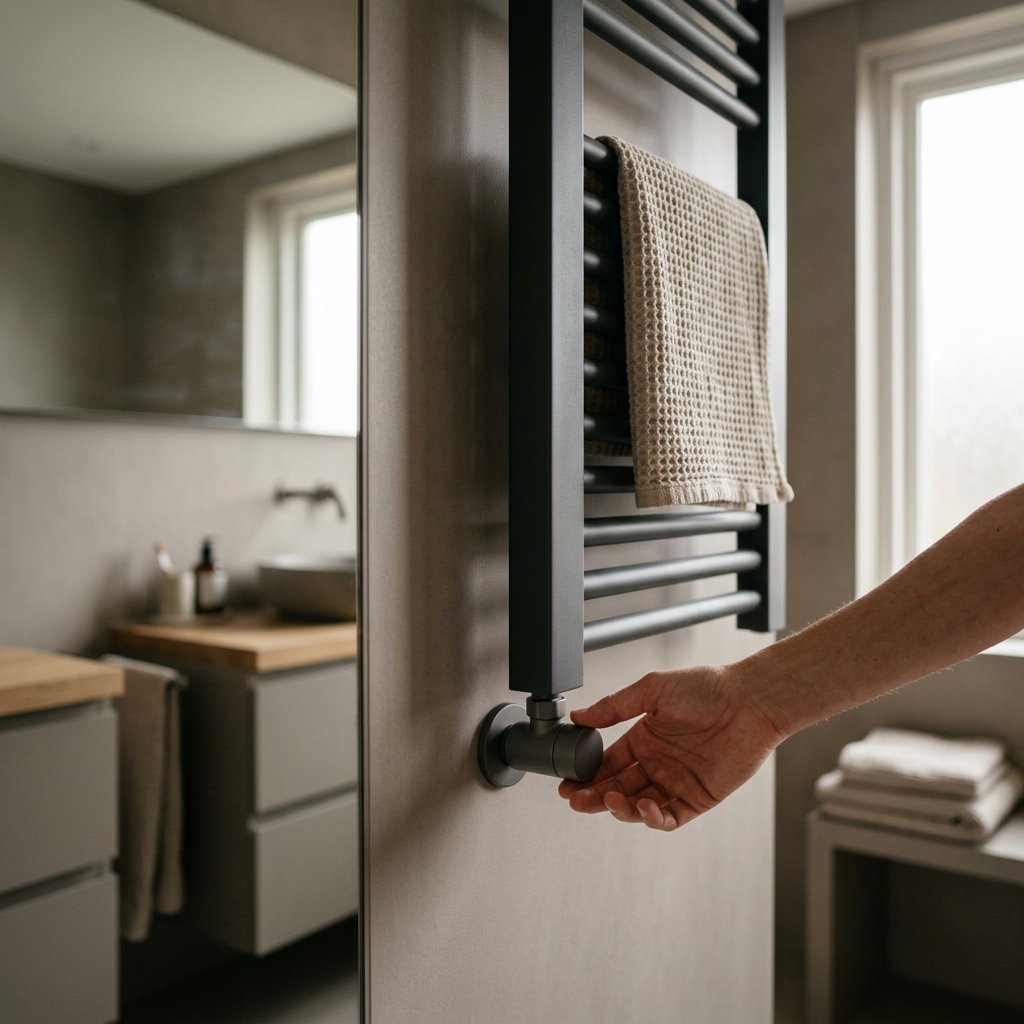
| Radiator or towel radiator | Pretty fast | Daily use and a steady baseline heat |
| Electric auxiliary heating | Fast | Short peak times, such as in the morning and in the evening |
| Floor Heating | Slower | Even comfort and a warm floor as a constant foundation |
Which heat source works best depends on how quickly you need your bathroom to warm up and when you use it. It’s especially important that the room reaches a stable temperature, as this also helps limit condensation on cold surfaces. In addition, a dropped ceiling in the bathroom can reduce the volume of air that needs to be heated, allowing the room to reach the desired temperature more quickly.
Ventilate without losing an unnecessary amount of heat
Proper ventilation doesn’t mean you have to keep the bathroom open and cold for hours on end. In fact, that often backfires: tiles, walls, furniture, and fixtures cool down, causing new condensation to form even faster afterward. The goal is to quickly remove moist air immediately after showering, with as little heat loss as possible.
That’s why short, targeted ventilation usually works better than prolonged airing out. Humidity is at its highest right after a shower. If you handle that moment correctly, most of the moisture will leave the room before it settles on the ceiling, windows, caulking, and grout. If you have a window, it’s mainly a matter of timing and airflow. If you don’t have a window, the mechanical exhaust system will have to do most of the work.
A warm bathroom not only feels more comfortable, but also dries out faster. Good bathroom ventilation and heating must therefore work together: first, heat to minimize cold surfaces, then sufficient air circulation to get rid of moisture.
Do you have a window? Opt for brief, targeted ventilation
- Open the window briefly right after showering to let the excess moisture escape.
- Then close the window again so that the walls, floor, and bathroom fixtures don't cool down for longer than necessary.
- A vent or grille only helps if it actually allows fresh air to circulate; leaving it open for hours often actually makes the bathroom colder.
- In the winter, it's better to open the windows briefly rather than ventilate for a long time, so you'll have fewer drafts and the room will return to the desired temperature more quickly.
- Ideally, allow air to circulate, for example, by leaving a door slightly ajar.
No windows or not much a draft? Then the exhaust fan has to do the job
In a bathroom without a proper window, mechanical ventilation is essential. This isn’t just a matter of installing a fan, but also ensuring sufficient capacity, a properly routed exhaust duct, and proper placement within the room. If a bathroom exhaust fan remains on after showering, it’s often due to a run-on time, timer, or humidity sensor: these features allow the fan to continue running until the moist air has been sufficiently removed.
The amount of ventilation you need depends on the size of the bathroom, how intensely people shower, the ceiling height, and the resistance in the duct. Clogged vents and ducts also reduce efficiency, so regular cleaning remains important.
Prevent Mold, Black Caulk, and Wet Joints
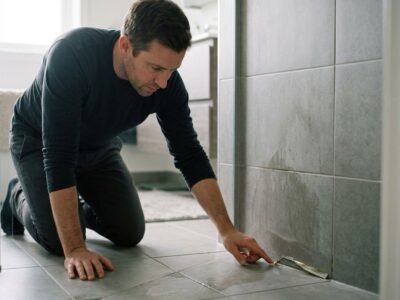
- Pay attention to the coldest spots in the bathroom. That’s where condensation forms first: on the ceiling, around the window, along sealant edges, in grout lines, and at the junctions between the shower, wall, and floor.
- If you see mold in the grout or black caulk that keeps coming back, that’s usually a sign that moisture is getting trapped in the structure. Simply cleaning won’t address the root cause; preventing mold in the bathroom also requires tackling moisture and cold.
- After showering, dry wet surfaces more quickly where necessary, especially in corners and along seams where water tends to pool.
- Check the sealant and joints regularly for porous, loose, or discolored areas. Repair any damage promptly to prevent water from seeping behind the finish.
- Keep the balance between heat and ventilation. A bathroom that is ventilated but keeps cooling down remains prone to new condensation.
- During a renovation, a wall finish with fewer seams can reduce the number of areas prone to maintenance issues. Consider insulation with bathroom wall panels; Refresh Bathrooms, for example, uses high-quality panels, which means there are fewer areas where moisture can accumulate in the joints.
When a Renovation Is the Smartest Solution
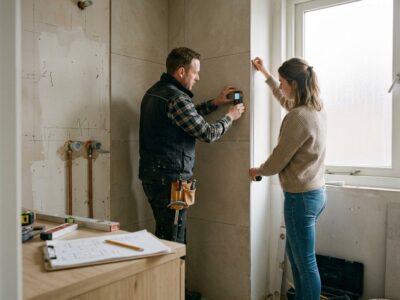
If your bathroom remains cold despite better heating and smarter ventilation, the cause often lies deeper: a cold exterior wall, an illogical layout, or outdated finishes that continue to trap moisture. In that case, a renovation is often a smarter solution than piecemeal fixes. After a consultation, you can improve the heating, ventilation, and finishes in a single plan, so that the space not only feels warmer but also stays drier and requires less maintenance. Also consider installing a suspended ceiling in the bathroom as a quick, neat way to limit cold drafts from the ceiling and increase thermal comfort.