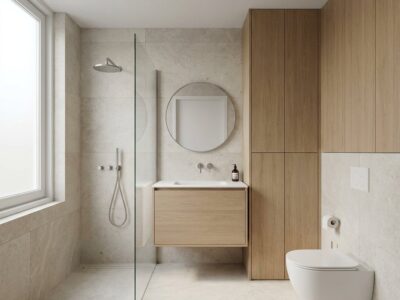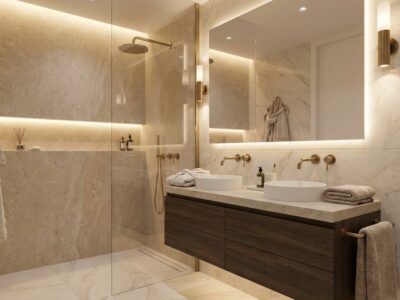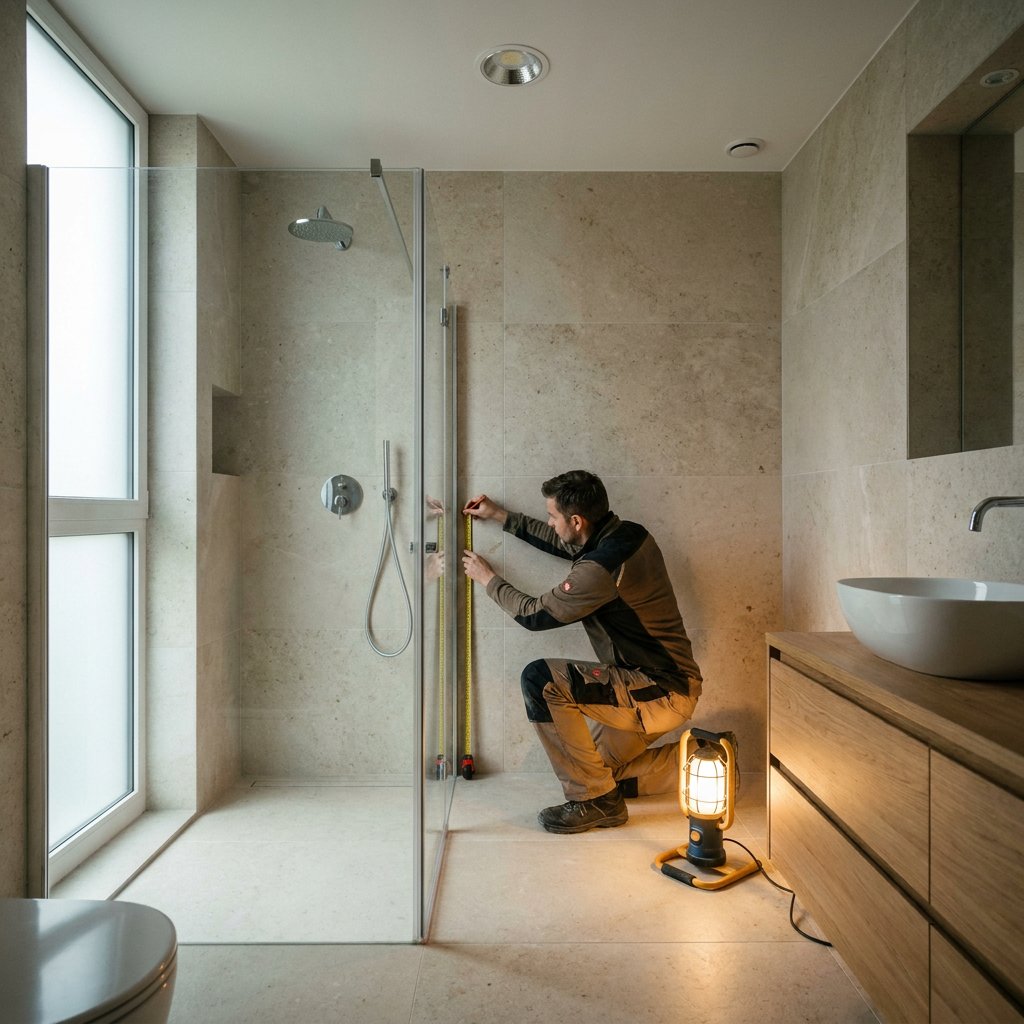
Water and electricity require special attention in the bathroom. Safety zones determine where lighting, ventilation, and electrical outlets can be safely installed and what protective measures are required.
Are you planning to renovate your bathroom? First, carefully determine the placement of the shower, tub, and sink. During a bathroom renovation, you can plan for connection points—such as those for lighting, ventilation, and electrical outlets—to be installed in the right locations from the start.
This is how the safety zones in the bathroom are divided
The NEN 1010 standard divides the space around a bathtub or shower into safety zones. The closer an electrical fixture is to water, the stricter the requirements for its installation and the product’s water resistance. In practice, a distinction is made between Zone 0, Zone 1, Zone 2, and the area outside these zones.
| Zone | Location | Key Point |
|---|---|---|
| Zone 0 | In the bathtub or shower stall | Only low-voltage equipment specifically designed for use in submerged environments |
| Zone 1 | Directly above the bathtub or shower, up to 2.25 meters high | Only fixed equipment that is suitable for the zone and has adequate water protection |
| Zone 2 | The 60-cm strip surrounding Zone 1 | Splash-proof fixed equipment, not standard electrical outlets |
| Outside the zones | The rest of the bathroom | Standard installations are possible with the proper electrical safety measures |
Zone 0: in the bath or shower
Zone 0 is the area that can actually become filled with water: the interior of a bathtub or shower pan. Ordinary electrical equipment and standard lighting do not belong here. Only equipment specifically designed for this application may be used under strict conditions. Examples include suitable low-voltage lighting with a high level of water protection, typically at least IPX7.
Zone 1: right next to the shower or bathtub
Zone 1 is located above Zone 0 and normally extends up to 2.25 meters above the floor. In a safe walk-in shower without a shower pan, the zone is defined based on the location of the fixed water connection or showerhead. Standard switches and wall outlets are not permitted in this area. Fixed lighting, a suitable ventilation system, or other specially designed equipment may be permitted, provided they meet the appropriate requirements.
Zone 2: the area around the bathtub and shower
Zone 2 is the 60-cm strip immediately surrounding Zone 1. Here, too, there is a real risk of moisture exposure due to splashing water and condensation. Equipment in this zone must therefore be at least splash-proof. Standard electrical outlets are not permitted. However, a special shaver outlet with an isolation transformer may be an exception under certain conditions.
Outside the safety zones
Outside Zones 0, 1, and 2, there is more flexibility for standard electrical installations. For example, a grounded outlet for an electric toothbrush, hair dryer, or other bathroom appliances can be installed here. Even outside these zones, safe installation, sufficient distance from direct water exposure, and protection via the circuit breaker panel remain essential.
Where can I install an outlet in the bathroom?
A standard electrical outlet may only be installed outside Zone 2. In practice, this means at least 60 cm from the edge of the bathtub or shower. Choose a grounded wall outlet and have a professional assess whether the location is appropriate in terms of splashes, condensation, and daily bathroom use.
The same fixed zoning rules that apply around a bathtub or shower do not automatically apply around a sink. Nevertheless, caution is advised. Do not place an outlet so close to the faucet that it can easily get wet, and when in doubt, opt for a splash-proof model. An outlet installed inside a mirror cabinet or bathroom vanity can be a neat solution, provided the wiring and installation are planned safely.
What IP rating is required for bathroom lighting?
The IP rating indicates the degree to which a light fixture is protected against dust and water. For the bathroom, the second digit is particularly important: it indicates the level of protection against moisture. The closer the light fixture is to the shower or bathtub, the higher the required level of water protection.
- IPX4: protected against splashing water and often the minimum rating required for lighting in Zones 1 and 2.
- IPX5: Protected against water jets; required when a fixture may come into contact with water jets.
- IPX7: Protected against temporary immersion and suitable for equipment in Zone 0.
IP44 is a common rating for bathroom lighting. The second “4” indicates protection against splashing water. Always check the product instructions: an IP rating alone does not automatically mean that a fixture is suitable for every area of the bathroom. Are you considering a stretch ceiling in the bathroom? If so, pay extra attention to the IP ratings and the placement of recessed spotlights.
Electrical safety requires more than just the right distance
Safety zones are one component of a safe bathroom installation. Electrical safety and the way appliances are connected also play an important role. Read more about bathroom ventilation.
- Ground-Fault Circuit Interrupter (GFCI): Circuit breakers that supply power to bathroom appliances must be protected by a GFCI rated at a maximum of 30 mA. This device quickly cuts off the power in the event of a ground fault.
- Grounding: Outlets and devices that require grounding must be properly grounded.
- Permanent connections: Permanent fixtures such as lighting and ventilation must be connected safely and in a manner appropriate for the application. Loose extension cords and power strips are not suitable for use in damp areas.
- Metal components: During renovations, additional equipotential bonding may be necessary. A qualified installer will determine which components need to be included.
For automatic run-down time and fewer moisture problems, a fan with a timer is a practical choice, provided it is properly connected within the relevant zones.
Incorporating Electrical Work into Your Bathroom Renovation
A new layout often affects the electrical system. Moving a shower can mean that existing lighting or an outlet suddenly falls into a different safety zone. Therefore, before the renovation, decide where you want lighting, ventilation, mirror lighting, outlets, and any electric heating.
For a complete bathroom renovation, Refresh Bathrooms can incorporate the necessary adjustments to lighting, ventilation, and electrical outlets into the renovation plan. For more bathroom advice and inspiration, as well as for the technical assessment and installation of bathroom electrical systems, it is important that a qualified electrician inspect the existing setup, the circuit breaker panel, and the planned connection points.
Frequently Asked Questions About Bathroom Electrical Systems
What are the rules for bathroom lighting?
The right lighting depends on the safety zone. In and immediately around the shower or bathtub, lighting with an appropriate IP rating is required. Outside these zones, there are more options, but even there, the fixture must be suitable for a damp environment and must be connected properly.
Can I keep the existing electrical wiring during a bathroom renovation?
That depends on the new layout, the condition of the plumbing, and the location of existing connection points. When moving a shower, bathtub, or sink, old connections may end up in an unsuitable area. Therefore, have the situation assessed in advance.
Can I make electrical modifications in the bathroom myself?
Electrical work in a damp area carries risks. Especially when installing new circuits, fixed connections, grounding, or making modifications near a bathtub or shower, having a qualified electrician assess and perform the work is the safest choice.