Wmo Reimbursement for a Bathroom
In some situations, a bathroom modification may be covered under the Wmo if it is necessary for you to continue living safely and independently at home. Whether you are eligible does not depend on a standard checklist, but on your personal situation and the assessment conducted by your municipality. That is precisely why it is important to know in advance what municipalities look for and which modification truly suits your disability and bathroom.
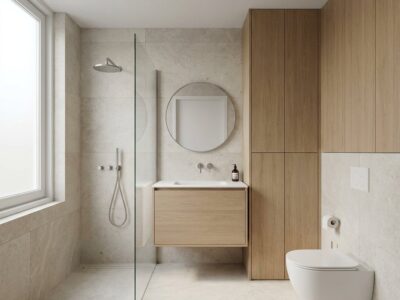
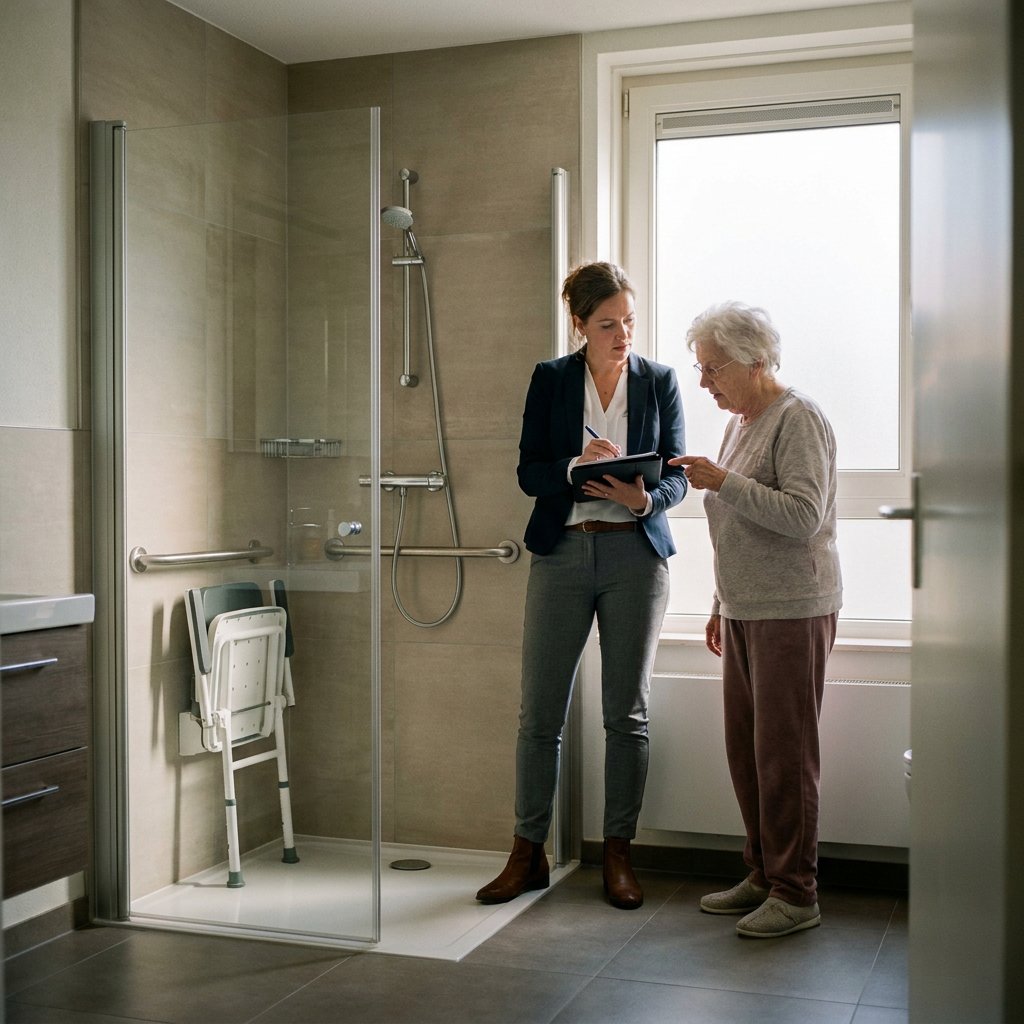
At Refresh Bathrooms, we often find that an existing bathroom can be made safer and more accessible with relatively targeted modifications—for example, by replacing a bathtub or shower pan with a barrier-free walk-in shower. Solutions such as a non-slip floor and additional support in the shower may also be appropriate, depending on the situation.
When is a bathroom eligible for Wmo reimbursement?
The Wmo is intended for people who, due to old age, illness, or a disability, need support to continue living at home. A bathroom becomes a particular concern when its current layout is no longer safe or practical. Examples include difficulty getting into the bathtub, slipping in the shower, or lack of stability while bathing. See also practical tips for a safe bathroom for seniors.
In this regard, municipalities usually consider the necessity of the modification. The key question is not whether a new bathroom is desirable, but whether a specific modification is needed to make normal use of the bathroom possible again.
- Often relevant: a barrier-free walk-in shower, additional support such as a grab bar, or increased safety thanks to a non-slip floor
- Less likely: modifications that primarily concern comfort, appearance, or general modernization
- Important: The municipality always assesses your situation on a case-by-case basis
What does the municipality consider when reviewing an application?
When considering an application for Wmo reimbursement for bathroom modifications, the municipality typically evaluates a combination of functional necessity, safety, and reasonableness. So it’s not just about the bathroom itself, but primarily about what you can and cannot still do there independently.
1. The restriction and daily use
The municipality wants to know what practical problem you’re facing. Are you no longer able to safely get into the bathtub? Is showering while standing too strenuous? Has the bathroom become unsafe due to a high threshold or a slippery floor? The more specific the problem is, the clearer the need for the modification.
2. Whether an adjustment is really necessary
A municipality usually does not cover the cost of a complete renovation simply because the bathroom is old. You’re more likely to receive reimbursement if there is a demonstrable need for a specific solution, such as replacing a bathtub with a more accessible shower setup. Learn more about replacing a bathtub with a shower for seniors.
3. The condition of the existing bathroom
An important factor is the current age and condition of the bathroom. If certain components need to be replaced, a municipality may determine that part of the costs falls under normal renovation. In such situations, the focus is often on the additional costs associated with the necessary modifications.
4. Municipal Policy
The implementation of the Wmo varies by municipality. As a result, the process, eligibility requirements, and final reimbursement amount may differ. That is precisely why it is wise to contact your municipality or Wmo service desk early in the process.
What is typically covered—and what is not—under the Wmo?
There is no nationally standardized list that is the same for every municipality and every bathroom. Still, the distinction is usually clear: necessary improvements are more likely to be covered than general renovation costs.
| Often a better chance of reimbursement | Often a lower chance of reimbursement |
|---|---|
| A solution that makes safe showering possible | A complete bathroom renovation without any obvious need |
| Replacing a hard-to-access bathtub with a more accessible shower | Replacement due to wear and tear or style |
| Additional safety measures directly related to the disability | General comfort or luxury upgrades |
| Modifications that support independent use | Expenses that the municipality considers to be normal maintenance or routine renovation |
This is explicitly a general guideline and not a guarantee. The final decision rests with the municipality.
What bathroom solutions might be relevant?
Wmo-related bathroom modifications are usually focused on safety, accessibility, and reducing physical strain. In practice, the most relevant solutions are those that simplify daily use without requiring unnecessary interventions.
Refresh Bathrooms renovates bathrooms and walk-in showers and offers, among other services, bathroom renovations in which a bathtub or shower pan is replaced with a barrier-free walk-in shower. Depending on the situation, a non-slip floor and additional support features, such as a bench or grab bar, may also be appropriate.
That does not automatically mean that these modifications are also covered by the Wmo, but they are examples of solutions that often address the need underlying an application.
How can you handle an application effectively?
If you want to apply for reimbursement for a bathroom, it’s a good idea to first clearly determine the need and only then plan the project. This way, you’ll avoid making decisions before it’s clear what the municipality will assess or approve.
- Identify the problem you're experiencing in the bathroom and why using it on your own is difficult or unsafe.
- Contact your local municipality or Wmo office and ask what process they follow for home or bathroom modifications.
- Have the bathroom and the possible solutions thoroughly assessed so that it becomes clear which modification is the most practical.
- Only then should you request quotes or implementation advice tailored to the solution that is actually needed.
Would you like to first have an assessment done to determine what modifications are technically possible in your current bathroom? If so, you can request a no-obligation consultation with Refresh Bathrooms. During such a visit, we can determine which solution best suits the space and your specific needs.
If the reimbursement is not in full
Even if the decision is favorable, full reimbursement is not guaranteed. Municipalities may require a copayment and may also distinguish between necessary additional costs and costs they consider to be routine replacements. As a result, it is possible that part of the cost of the bathroom modification will remain the resident’s responsibility.
It is therefore a good idea not only to ask whether something is covered, but also to find out which part of the modification is covered under the plan.
FAQ
Can I get a shower chair through the Wmo?
In some cases, this is possible if a more accessible shower is necessary to ensure safe showering. The municipality will assess whether the modification is truly necessary in your situation.
What home modifications can I get through the Wmo?
The Wmo can also be used to fund home modifications, but only if they are necessary to enable you to continue living independently at home. For the bathroom, this primarily involves features that improve usability, safety, and accessibility.
What kinds of assistance can you request from the Wmo for your bathroom?
When it comes to bathrooms, the focus is usually on making a necessary modification rather than a general renovation. Think of a solution that allows you to shower more safely and independently again, such as a more accessible shower setup or additional support. You can find more inspiration on this topic in the section on fall prevention in the bathroom.
Does Refresh Bathrooms also handle the Wmo application?
Refresh Bathrooms can help you come up with a suitable bathroom modification plan and assess the technical possibilities in your bathroom. The application for and assessment of a Wmo reimbursement are handled by your municipality.